
Last updated: November 1, 2026 · Facts checked against the federal statute, peer-reviewed research, the EU Drugs Agency and DEA statements. This page will be updated if the FDA publishes its cannabinoid lists or Congress changes the dates.
Quick answer: which cannabinoids lose hemp status on November 12?
On November 12, 2026, cannabinoids "not capable of being naturally produced" by the cannabis plant lose federal hemp status. There's no official list yet: the FDA was required to publish one but hadn't as of late September.
Based on the science available today, HHC and THC-O have the strongest case for the November 12 date. The EU Drugs Agency says HHC isn't produced by the plant, and the DEA has said THC-O doesn't occur naturally. THCP, THCh and THCjd have been found in the plant in trace amounts, so they may fall under the December 11 date instead, but that reading is disputed.
Either way, on December 11 the 0.4 mg per-container cap for THC and THC-like cannabinoids applies to all of them, unless Congress changes the law.
What the Law Actually Says
Section 781 of Public Law 119-37 rewrote the federal hemp definition in November 2025. It excludes two groups of manufactured cannabinoids, and the September 2026 funding law gave them different start dates:
| What the statute excludes | Effective date |
|---|---|
| Cannabinoids "not capable of being naturally produced by a Cannabis sativa L. plant" | November 12, 2026 (not delayed) |
| Cannabinoids the plant can produce naturally but that "were synthesized or manufactured outside the plant" | December 11, 2026 (delayed) |
The key question for any cannabinoid is: can the cannabis plant make it at all? If not, it's on the November 12 list. If it can, even in tiny amounts, a lab-made version may fall under the December 11 date.
Congress told the FDA to publish, within 90 days of enactment, a list of cannabinoids "capable of being naturally produced" by the plant "as reflected in peer reviewed literature." As of the Congressional Research Service's September 28 update, it hadn't. Without that list, the best guide is the published research.
Cannabinoid by Cannabinoid: What the Research Shows
| Cannabinoid | Found in the plant? | Likely federal date |
|---|---|---|
| HHC | No. The EU Drugs Agency says it is "not biosynthesised by the plant." | November 12 (strongest case) |
| THC-O acetate | No. The DEA has said it doesn't occur naturally in cannabis. | November 12 (strongest case) |
| THCP | Yes, in trace amounts. First isolated from cannabis in a 2019 study in Scientific Reports. | Disputed: December 11 under a literal reading |
| THCh | Yes. Identified in a medical cannabis variety in a 2020 Scientific Reports study. | Disputed: December 11 under a literal reading |
| THCjd | Only in trace amounts, according to a 2026 Portland State University report, which says commercial use requires synthesis. | Disputed: December 11 under a literal reading |
| Delta-8 | Yes, in trace amounts. Commercial Delta-8 is usually converted from CBD. | Disputed: November 12 or December 11 |
"Likely" is doing real work in that last column. Until the FDA publishes its list or a court weighs in, these are informed readings of the statute, not official classifications.
HHC
HHC (hexahydrocannabinol) has the clearest answer. A 2023 technical report from the EU Drugs Agency (then called the EMCDDA) says HHC is "not biosynthesised by the plant." It describes large-scale manufacturing as starting from hemp-derived CBD, converting it to a mix of Delta-8 and Delta-9 THC, then hydrogenating that mix. If the plant can't make it, HHC falls under the November 12 exclusion.
THC-O acetate
The DEA has stated that THC-O acetate doesn't occur naturally in cannabis and treats it as a synthetic, Schedule I substance. It's widely cited as a cannabinoid that loses hemp status on November 12.
THCP
Italian researchers reported isolating Δ9-THCP from Cannabis sativa in a 2019 Scientific Reports paper (Citti et al.). That puts it among cannabinoids the plant can produce. But it's present in tiny amounts, so commercial THCP is made in a lab. Under a word-for-word reading, lab-made THCP fits the "synthesized or manufactured outside the plant" category with a December 11 date. Some analyses treat all lab-made cannabinoids as November 12 products, so this isn't settled.
THCh
Δ9-THCH, a hexyl form of THC, was identified in an Italian medical cannabis variety (FM2) in a 2020 Scientific Reports study, alongside its CBD counterpart, CBDH. Because it has been found in the plant, the same literal reading that applies to THCP would put lab-made THCh on December 11. The same caveat applies.
THCjd
THCjd has the thinnest research record. A 2026 brief report from Portland State University chemists says THC-JD is "present in only trace amounts in hemp, requiring synthesis for commercial use." The same team tested five commercial vape products labeled as containing THC-JD and detected no THC-JD in any of them; Delta-8 THC was the most common compound in four. That's a small sample, but it's a reason to check lab reports carefully for any THCjd product.
Blends follow the strictest ingredient
Many gummies and vapes mix several cannabinoids. If a product contains any cannabinoid the plant can't produce naturally, such as HHC or THC-O, the whole product falls under the November 12 exclusion, whatever the other ingredients are. Check the ingredient list and lab report, or ask the seller.
For a deeper look at the Delta-8 question specifically, see is Delta-8 being banned on November 12?
December 11 Catches the Rest
Even if THCP, THCh or THCjd products get until December 11, that's only about a month more. From December 11, finished hemp products can hold no more than 0.4 mg combined of total THC and other cannabinoids with "similar effects (or are marketed to have similar effects)" as THC, as determined by the Department of Health and Human Services. A typical THCP or THCh gummy or vape is far over that.
Our 0.4 mg THC per container guide shows how that cap works, and our federal hemp ban guide covers every date.
What This Means If You Use These Products
- Plan around November 12 for HHC and THC-O products, and for blends that contain them.
- Treat December 11 as the outside date for THCP, THCh, THCjd and Delta-8 products, with the understanding that November 12 is possible.
- Buy only what you'll use before the deadline. The law has no grace period for products bought earlier. Our guide to having hemp THC products after December 11 explains why.
- Start low with high-potency cannabinoids. Products made with THCP and similar compounds are often marketed as stronger than Delta-9, and effects from edibles can take up to 2 hours to start. Don't drive after use.
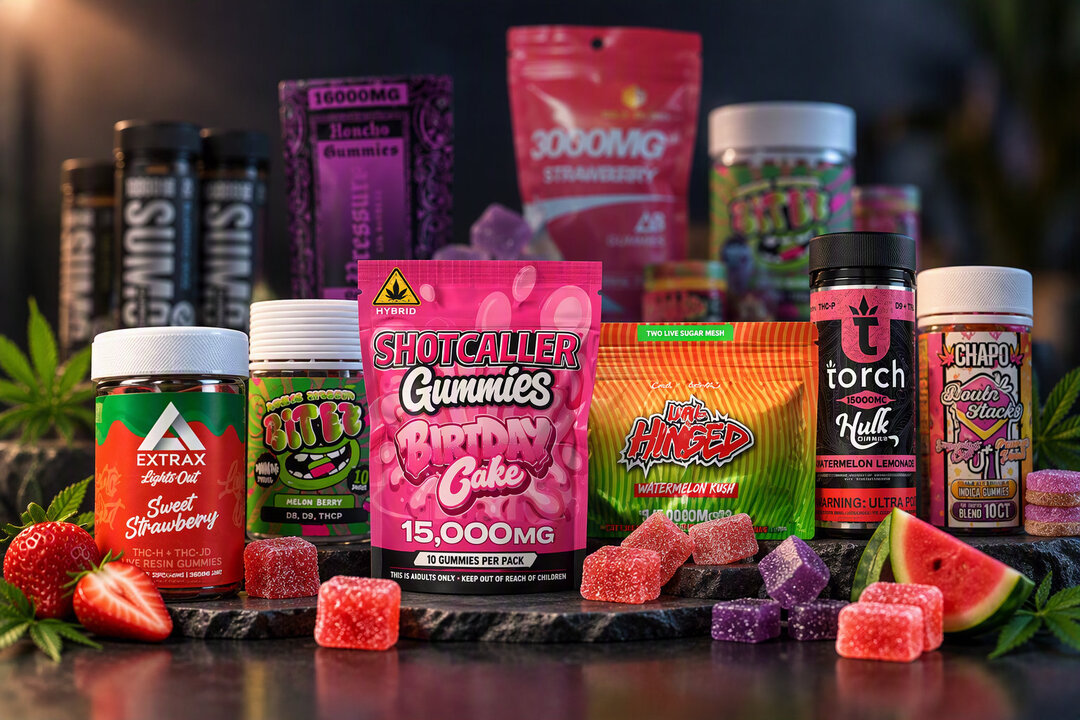
Which products are affected?
We've grouped the products whose federal status is changing in one place, so you can see what's affected before the deadline. Some items, such as lab-made cannabinoids, may lose federal hemp status as early as November 12. Buy only what you plan to use, check your state's law, and remember these products are for adults 21 and over.
See products with uncertain future availabilityWant your voice in the decision?
If you'd rather see hemp regulated with age limits, testing and clear labels than banned outright, tell your lawmakers. Find your U.S. senators and representative at congress.gov, and your North Carolina legislators at ncleg.gov. A short, polite message about how hemp products fit into your life carries weight.
November 12 Cannabinoid FAQs
1. What happens on November 12, 2026?
Cannabinoids "not capable of being naturally produced" by the cannabis plant lose federal hemp status. The September 2026 funding law delayed most other hemp changes to December 11, but not this one.
2. Is HHC banned on November 12?
HHC has the strongest case for the November 12 date. The EU Drugs Agency says HHC is "not biosynthesised by the plant," and commercial HHC is made by hydrogenating THC converted from CBD. The FDA hasn't published an official list yet.
3. Is THCP banned on November 12?
It's disputed. THCP was isolated from cannabis in a 2019 study, so the plant can produce it. Under a literal reading, lab-made THCP falls under the December 11 date for naturally occurring cannabinoids made outside the plant. Some analyses put it on November 12.
4. What about THCh and THCjd?
THCh was identified in a medical cannabis variety in 2020, and a 2026 Portland State report says THC-JD occurs only in trace amounts in hemp. Both could fall under the December 11 date under a literal reading, but neither has an official classification yet.
5. Has the FDA published the list of naturally produced cannabinoids?
Not as of the Congressional Research Service's September 28, 2026 update. The law required the FDA to publish it within 90 days of the law's November 2025 enactment.
6. Are THCP and THCh products legal after December 11?
Not as typically sold, unless Congress changes the law. From December 11, finished hemp products are capped at 0.4 mg combined of total THC and cannabinoids with similar effects per container, which most THCP and THCh products exceed.
7. Will THCP, HHC or THCh show up on a drug test?
They may. Standard drug tests look for THC metabolites, and some of these compounds or the THC mixed into products could trigger a positive result. Testing data for newer cannabinoids is limited. If you're subject to drug testing, avoid these products.
8. Are THCP and HHC legal in North Carolina?
North Carolina's hemp law is based on the 0.3% delta-9 THC standard and hasn't changed. But the federal November 12 and December 11 changes apply nationwide, including in North Carolina, unless Congress acts. State lawmakers could also still act on HB 328.
Sources
- 7 U.S.C. § 1639o: Definitions (hemp), with statutory notes on FDA lists (Cornell Legal Information Institute)
- Congressional Research Service In Focus IF13136 (Sept 28, 2026)
- A temporary reprieve for hemp-THC products… but what now? (Foley Hoag, Sept 2026)
- Hexahydrocannabinol (HHC) and related substances: technical report (EMCDDA, now the EU Drugs Agency, 2023)
- DEA reaffirms synthetic THC compounds are Schedule I controlled substances (FDA Law Blog, Mar 2023)
- Scientists discover a new cannabinoid in Cannabis sativa: Δ9-THCP (summary of Citti et al., Scientific Reports, 2019)
- Study identifying CBDH and Δ9-THCH in a medicinal cannabis variety (Scientific Reports, Dec 2020)
- THCP guide: natural abundance and production (ACS Laboratory)
- Analysis of novel cannabis products labeled as containing THC-JD (Munger et al., Portland State University, 2026)
Update log
- November 1, 2026: Published. FDA cannabinoid lists not yet released; November 12 and December 11 dates stand.
This article summarizes federal law and published research for general information only and is not legal or medical advice. Cannabinoid classifications are not final until federal agencies or courts clarify them; consult an attorney for your situation. These statements have not been evaluated by the FDA. THC and similar cannabinoids are intoxicating; do not drive or operate machinery after use. Hemp-derived products are for adults 21 and over.